How to Create a Modern Witchcraft Altar
September 9, 2026
Modern Witchcraft Without Rigid Rules
September 13, 2026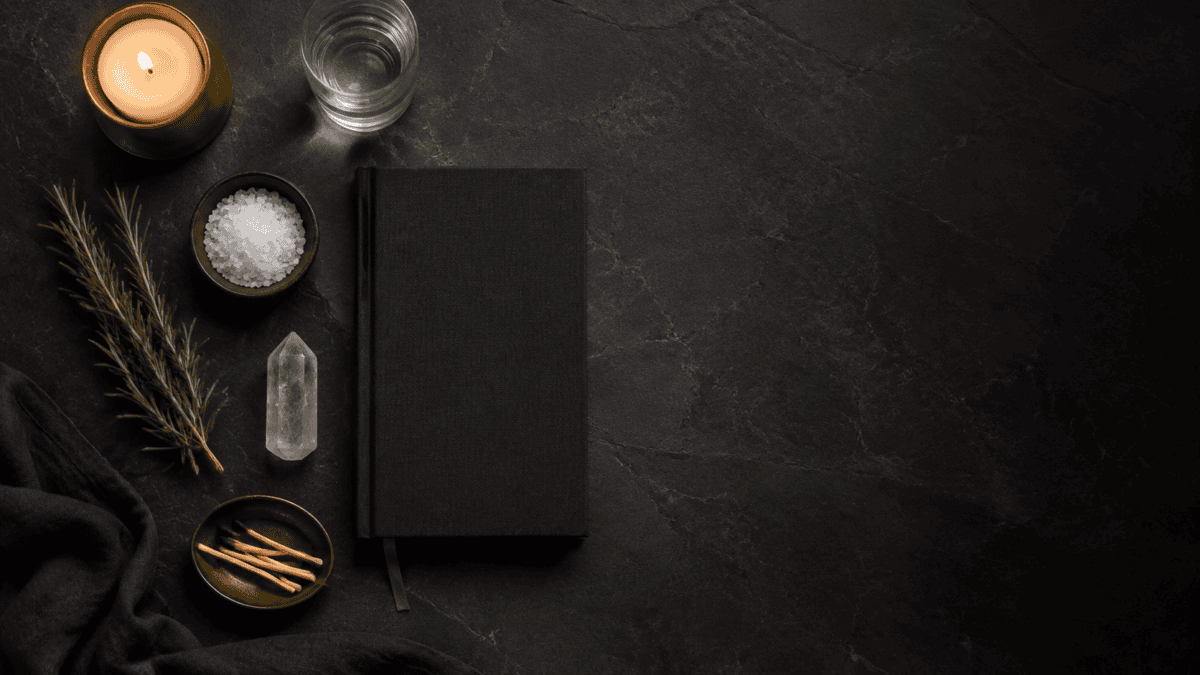
Modern witchcraft supplies can overwhelm even a determined beginner — walk into any metaphysical shop and you’ll leave either broke or confused, sometimes both. The truth is that most of it is optional gear layered on top of a practice that works fine without them. Here’s an honest breakdown of what actually matters when you’re starting out.
The Real Essentials
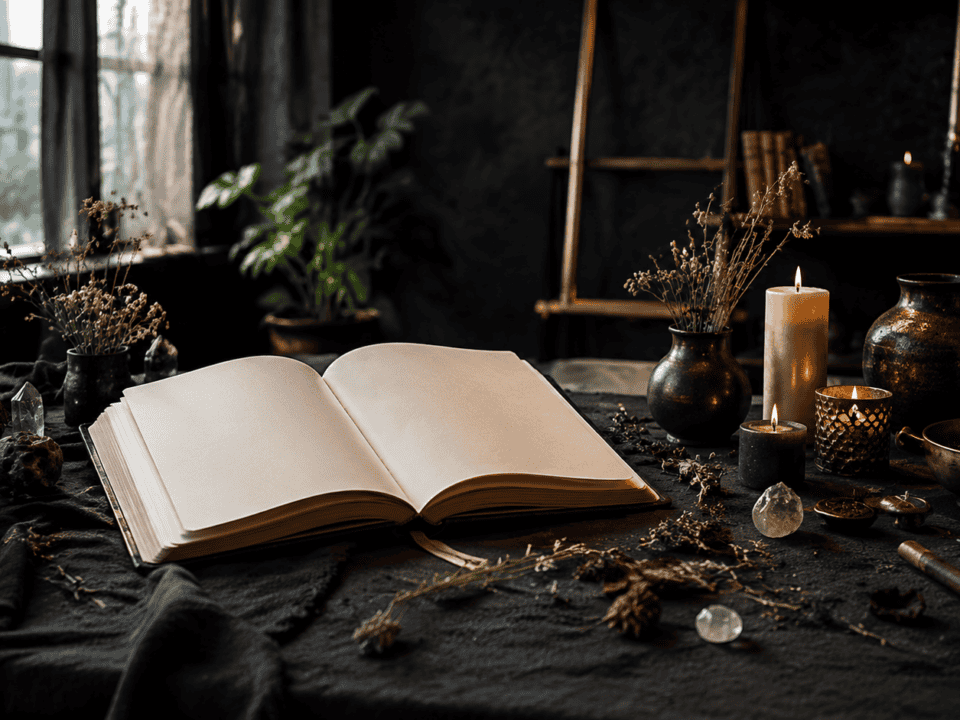
If you own these three things, you can build a complete beginner practice: a notebook for journaling and tracking intentions, a single candle (any color, any size, battery-operated is fine), and something that represents a goal or intention to you personally — a photo, a written word, a small object. That’s genuinely enough to start.
The Second Tier: Nice to Have, Not Urgent
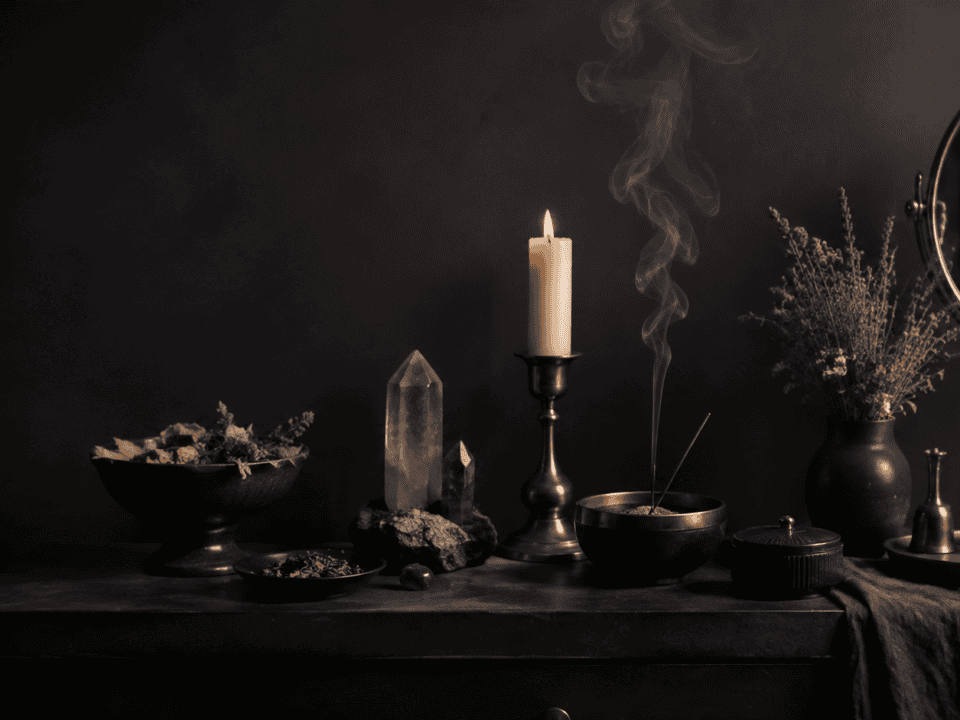
Once you’ve got a rhythm going, you might naturally want to add a few tools. None of these are required to be a ‘real’ witch — they’re just common additions that many practices grow into.
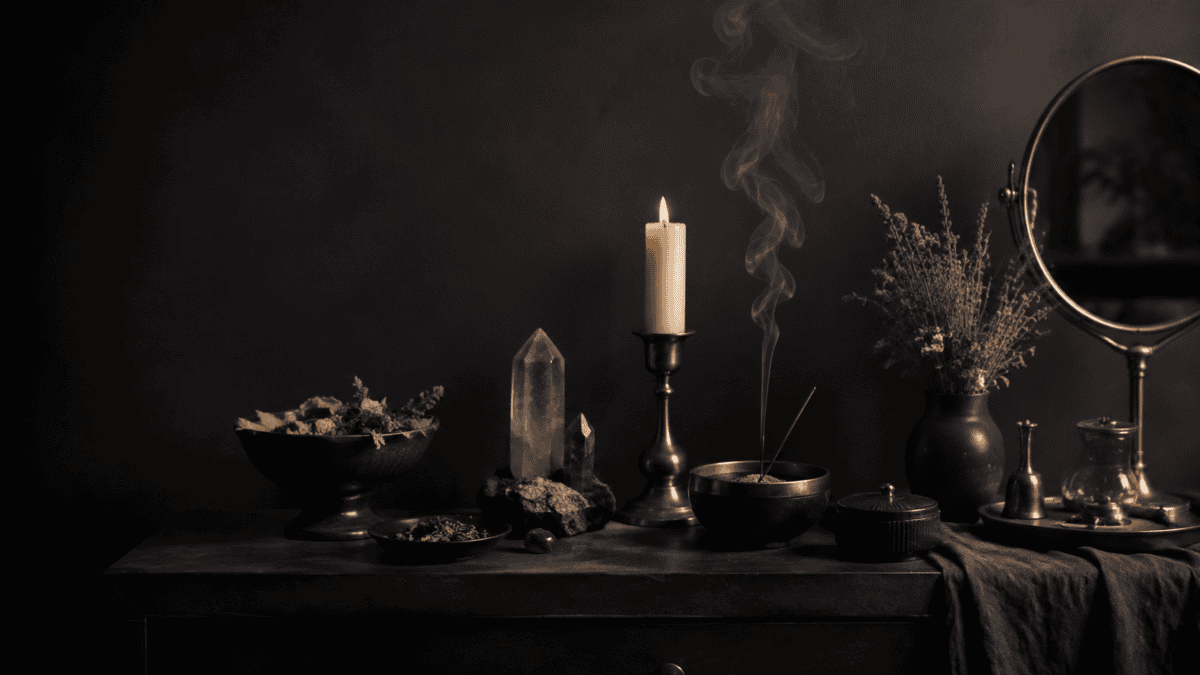
- A tarot or oracle deck, for reflection and prompts rather than fortune-telling
- A few crystals chosen for what they represent to you, not because a list said so
- Dried herbs for tea rituals or, where safe, incense
- A small dish or chalice for water or offerings
- A pendulum, if divination interests you
What Beginners Can Skip Entirely
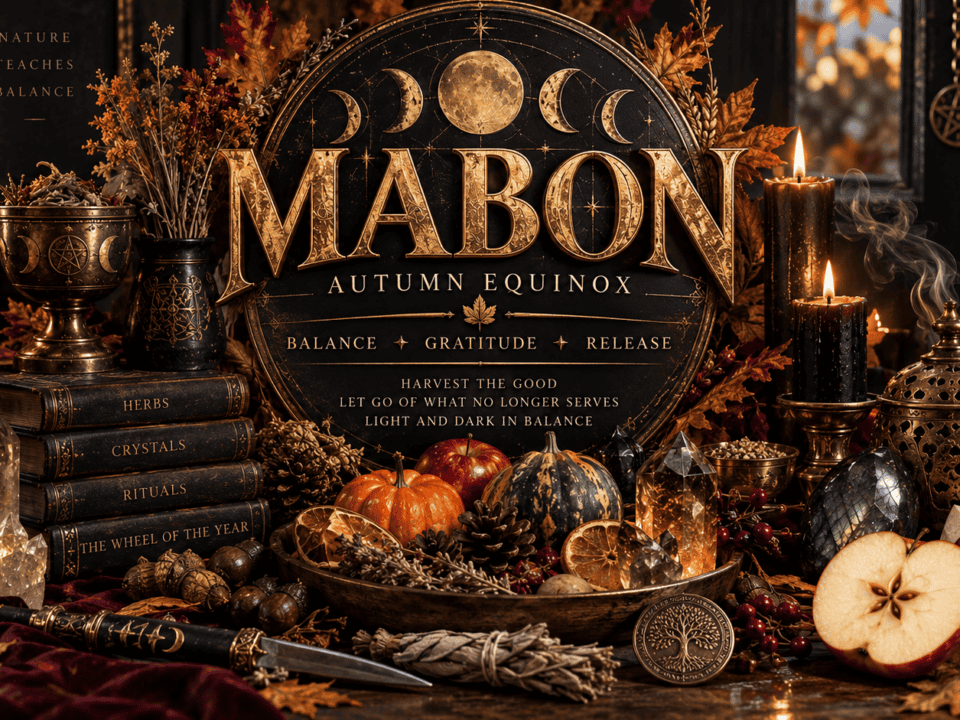
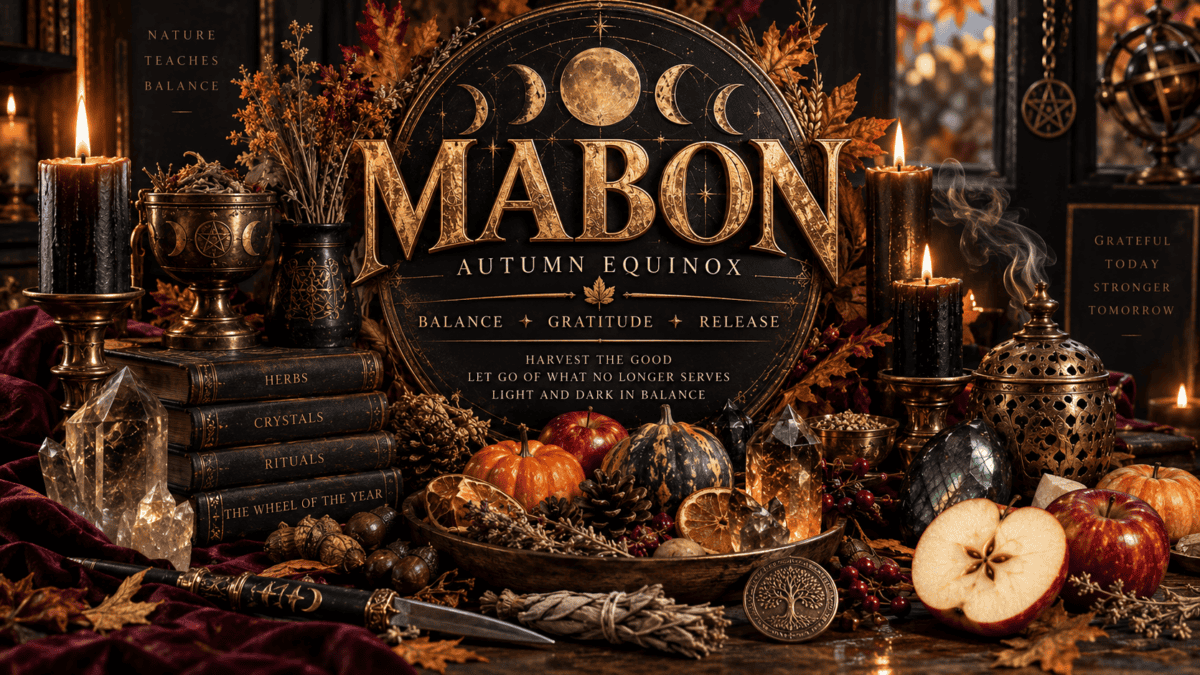
You don’t need an athame (ritual knife), a full set of the four elemental tools, a robe, or a complete ‘starter kit’ sold as a bundle. These are traditional Wiccan ceremonial tools, not universal requirements, and buying them before you know whether you’ll even use them is how most beginner supply drawers end up gathering dust.
Budget-Friendly Sourcing
Thrift stores are excellent for altar cloths, small dishes, and candle holders. Dollar stores sell perfectly functional candles. A notebook you already own works as well as a leather-bound grimoire. Save spending for the items that genuinely call to you rather than checking boxes on someone else’s list.
A Note on Ethical Sourcing
If you do start buying crystals or herbs, it’s worth a little research into where they come from. Some crystal mining has serious labor and environmental concerns, and some herbs and practices (like white sage smudging) come from specific closed cultural traditions worth understanding before you adopt them. Smaller independent sellers who disclose their sourcing are generally a safer bet than unmarked bulk listings.
Building Your Collection Over Time
Let your supplies grow the way your practice does — one considered addition at a time, chosen because you’ve identified an actual use for it, not because an aesthetic photo convinced you that you were missing something. A shelf with five meaningful objects will always serve you better than a drawer with fifty you never touch. That’s the real test of modern witchcraft supplies: not how many you own, but how many you actually use.